The commercial kitchen is a high-octane environment—a place where culinary magic happens, steam clouds gather, and grease can accumulate faster than a celebrity's Instagram followers. If you manage a commercial kitchen in Sydney, you know that maintaining proper ventilation and hygiene isn't just a suggestion; it’s a crucial element of operational safety, compliance, and, frankly, good smells. But when it comes to the deep, greasy guts of your ventilation system—specifically the filters—the question often boils down to a simple, yet critical, worry: how often should commercial kitchen filters be cleaned in Sydney?

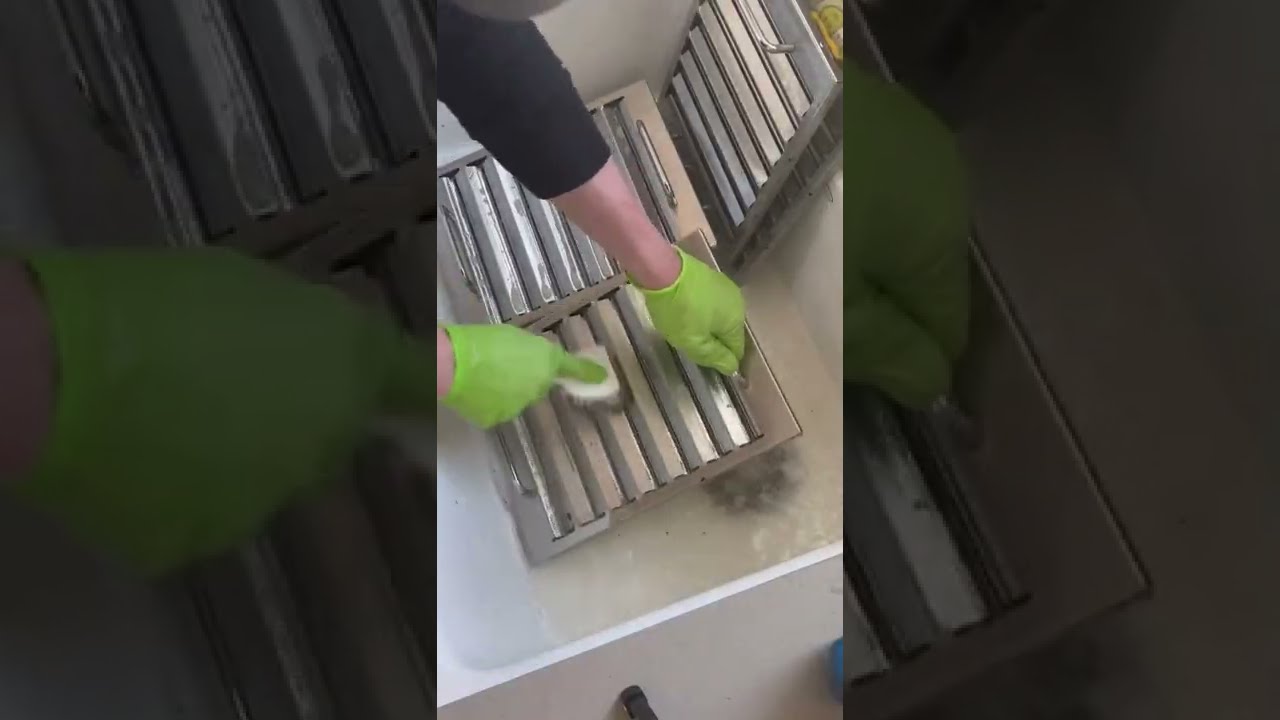
This isn't a one-size-fits-all answer. The frequency depends on a fascinating cocktail of local factors, operational habits, and the specific type of cooking you do. Understanding this rhythm is key to preventing costly downtime, fire hazards, and, most importantly, keeping your kitchen running like a well-oiled machine, not a greasy swamp monster.
Understanding the Science of Kitchen Grease Buildup
Before we tackle the frequency, we need to understand the enemy: grease. Grease buildup isn't merely an aesthetic problem; it's https://hygienexperts.com.au/services/kitchen-canopy-cleaning.html a serious fire hazard. When airborne fats and oils accumulate on filters and ductwork, they create a highly combustible material. These systems are under constant heat, making them a ticking time bomb if neglected.
Factors Influencing Grease Buildup
The rate at which your filters clog is determined by more than just the passage of time. It's a complex equation influenced by the following variables:
- Cooking Methods: High-heat frying and deep-fat cooking generate significantly more grease than steaming or roasting. If your menu revolves around crispy, fried delights, expect a faster buildup. Volume of Operation: A busy café serving hundreds of meals a day will stress the system far more than a small, quiet corporate canteen. High throughput equals high grease load. Local Ventilation Efficiency: If your hoods and filters are undersized or poorly maintained, they will become bottlenecks, forcing grease and smoke back into the system and accelerating buildup. Sydney’s Climate and Use: While Sydney’s climate is generally temperate, the specific local regulations and the operational intensity of Sydney's diverse restaurant scene mean compliance standards are extremely high.
The Core Guidelines: Determining Filter Cleaning Schedules
So, what does the expert consensus suggest regarding how often should commercial kitchen filters be cleaned in Sydney? The answer is that you must treat your cleaning schedule as a living document, one that adapts to your operation.
Routine Cleaning vs. Professional Maintenance
It is vital to differentiate between daily cleaning (the cleaning staff can handle this) and professional deep cleaning (which requires specialized equipment and expertise).
- Daily Cleaning (The Surface Level): Staff should routinely clean visible grease traps and superficial filter surfaces to prevent immediate overflow and obvious grime. This is preventative maintenance. Weekly Inspection (The Operational Check): A manager or facilities lead should visually inspect the filters weekly, looking for early signs of warping, excessive blackening, or visible clogs. Professional Deep Cleaning (The Mandatory Intervention): This is the heavy artillery. Due to the inherent fire risk and the legal requirements set by NSW health and fire authorities, professional deep cleaning should typically occur on a scheduled basis, often quarterly or semi-annually, regardless of how clean it looks.
“The best defense against a fire hazard is proactive maintenance. Don’t wait for the smell of burnt grease to tell you something is wrong.”
Understanding the "Visual Check" Pitfall
Many business owners fall into the trap of judging the system based on appearance. "It doesn't look that bad," they might think. This is a dangerous assumption. Filters can harbor thick, dangerous layers of grease that are invisible until they are subjected to specialized cleaning processes. Why wait until the system is struggling?
Consider this anecdote: I once worked with a high-end steakhouse in Surry Hills that believed their system was clean because the grease traps were clear. However, the buildup on the internal ductwork, which was completely hidden, had reached dangerous levels. A simple inspection was not enough; they needed a professional chemical wash and filter replacement.
Beyond the Schedule: Signs You Need an Emergency Clean
Sometimes, the schedule breaks down. How do you know if it's time for an emergency clean, even if your last professional service was only three months ago?
- Reduced Ventilation Power: If your kitchen suddenly feels smokier, or the exhaust fan sounds labored, the system is choking. This is your biggest warning sign. Visible Oil Dripping: If you see visible, dripping grease (especially during peak hours), the filters are saturated and must be addressed immediately. Malodour: A persistent, acrid, burnt smell that doesn't dissipate when the kitchen is quiet suggests excessive carbonization and buildup.
Optimizing Your System for Maximum Safety
Maintaining a safe and efficient kitchen is like tending a garden—it requires consistent attention. Don't let the grease buildup become a runaway weed.
Essential Maintenance Checklist
To ensure you are meeting the highest standards, always ensure your service provider addresses these points:
- Filter Type: Are you using the correct type of filter for your cooking method? Some specialized filters are designed to handle different grease loads. System Integrity: The cleaning service must check the ductwork itself for cracks or leaks, not just the filters. Waste Disposal: Proper disposal of collected grease is a critical compliance point in Sydney.
In conclusion, while the ideal frequency for how often should commercial kitchen filters be cleaned in Sydney? is a nuanced conversation between your specific operation and your local regulations, the safest answer remains: stick to professional, scheduled maintenance (typically quarterly) and supplement it with rigorous daily and weekly internal checks.
By treating your ventilation system not as a utility, but as a critical piece of safety infrastructure, you ensure that your focus stays on culinary brilliance, and not on fire extinguishers. Taking proactive steps today is the best investment in your kitchen’s longevity and your team's safety.
HygieneXperts - Commercial & Residential Cleaning Services
12C Tungarra Rd Girraween NSW 2145 Australia,
61498203983
HygieneXperts - Commercial & Residential Cleaning Services
12C Tungarra Rd Girraween NSW 2145 Australia,
61498203983